

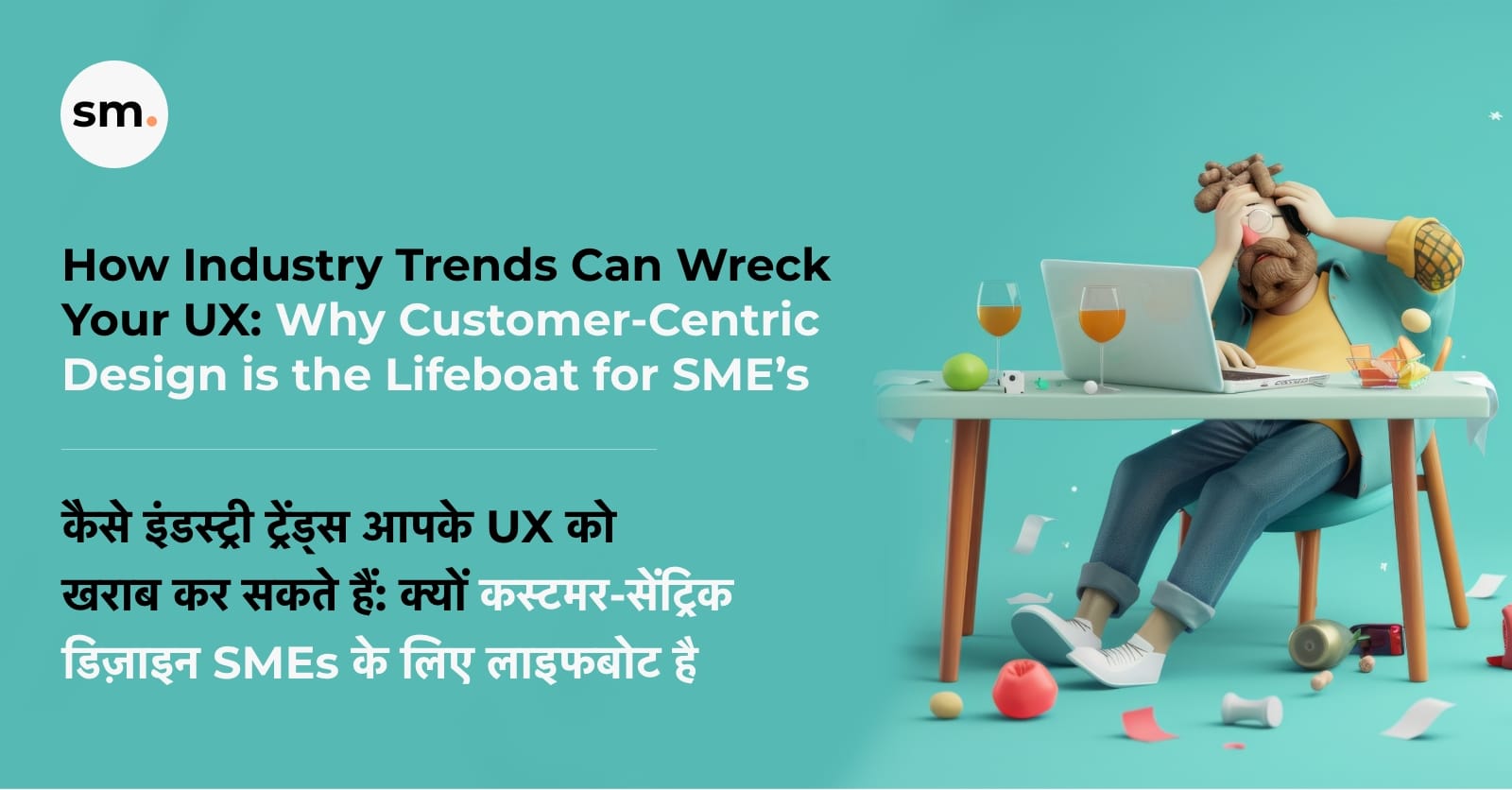
Let’s get real—industry trends are like a shiny new toy. Everyone wants to play with them, and before you know it, you’re swept up in the excitement. Minimalism, dark mode, voice UI—these are the buzzwords that tempt businesses to throw caution (and sometimes their entire design principles) out the window. But, if you’re running an SME, jumping on the trend-train without a second thought can leave your UX in shambles, your users confused, and your business scrambling to keep up.
सच्चाई पर आते हैं—इंडस्ट्री ट्रेंड्स किसी नए खिलौने की तरह होते हैं (Industry trends are like a new toy). हर कोई इसके साथ खेलना चाहता है, और आप खुद को इस जोश में बहता हुआ पाते हैं। मिनिमलिज्म (Minimalism – बहुत साधारण और कम से कम एलिमेंट्स के साथ डिज़ाइन), डार्क मोड (Dark mode), वॉइस UI (Voice User Interface) — ये चर्चित शब्द (Buzzwords) हैं जो कंपनियों को उनके डिज़ाइन सिद्धांतों (Design principles) को छोड़ने के लिए उकसाते हैं। लेकिन अगर आप एक SME (छोटे और मझोले उद्यम) चला रहे हैं, तो बिना सोचे-समझे इन ट्रेंड्स का पीछा करने से आपका UX (यूज़र एक्सपीरियंस – उपयोगकर्ता अनुभव) बर्बाद हो सकता है, आपके उपयोगकर्ता (Users) भ्रमित हो सकते हैं, और आपका व्यवसाय (Business) संघर्ष कर सकता है।
Trend Overload: The Risk of Design FOMO (ट्रेंड ओवरलोड: डिज़ाइन FOMO (Fear of Missing Out) का खतरा)
I get it. Everyone wants to look like they’re ahead of the curve. But here’s the hard truth: chasing every UX trend like a kid in a candy store can lead to design disaster. Let’s take a quick detour into dark mode madness. When it first blew up, everyone wanted in. But for some users—especially those with specific visual needs—it’s more like wandering around in the dark, literally! Research? Nah. Companies jumped on this trend without considering if it actually benefited their audience
Remember “Don’t Make Me Think” by Steve Krug? One of the golden rules of UX: simplicity wins. But guess what? Simplicity doesn’t mean stripping away everything your users rely on just to jump on the minimalist bandwagon. I’ve seen SMEs declutter their interface to the point where users have to guess how to navigate. Sure, it looks sleek, but it doesn’t work! Good UX isn’t about chasing trends—it’s about making users’ lives easier
मुझे पता है, हर कोई इस बात का दिखावा करना चाहता है कि वे सबसे आगे हैं। लेकिन सच्चाई ये है: हर UX ट्रेंड का अंधाधुंध पीछा करना डिज़ाइन आपदा (Design disaster) की ओर ले जा सकता है। चलिए एक उदाहरण लेते हैं—डार्क मोड (Dark mode) का। जब यह ट्रेंड शुरू हुआ, तो हर कोई इसमें शामिल होना चाहता था। लेकिन कुछ उपयोगकर्ताओं के लिए, विशेष रूप से जिनकी विज़ुअल ज़रूरतें (Visual needs) खास होती हैं, यह उनके लिए अंधेरे में भटकने जैसा था! कंपनियों ने इस ट्रेंड को अपनाने से पहले यह सोचना भी जरूरी नहीं समझा कि क्या यह वास्तव में उनके उपयोगकर्ताओं के लिए फायदेमंद है।
याद है “डोन्ट मेक मी थिंक” बाय स्टीव क्रग? यह UX का एक स्वर्णिम नियम है: सादगी (Simplicity) हमेशा जीतती है। लेकिन सादगी का मतलब यह नहीं है कि आप अपने उपयोगकर्ताओं की जरूरतों को हटाकर केवल मिनिमलिज़्म (Minimalism – कम से कम एलिमेंट्स का उपयोग) के नाम पर सब कुछ हटा दें। SMEs (Small and Medium Enterprises) को अपने इंटरफेस को इतना ‘साफ’ करने का जुनून हो जाता है कि उपयोगकर्ताओं को पता ही नहीं चलता कि नेविगेट (Navigate) कैसे करें। हां, यह देखने में अच्छा लग सकता है, लेकिन इसका कोई फायदा नहीं!
Customer-Centric Design: The Real MVP (कस्टमर-सेंट्रिक
डिज़ाइन : असली हीरो)
Here’s the thing: if you’re running an SME, you don’t have time or money to waste on design fads. Your users are your lifeblood, and you need to cater to their needs, not the whims of the design industry. This is where customer-centric design comes in to save the day. Instead of hopping on every UX trend like it’s the last seat on a rollercoaster, focus on what your users want and need.
Think of customer-centric design as that wise friend who tells you, “Maybe don’t wear that neon tracksuit to the wedding.” It’s about co-creating with your users, getting real feedback, and building products they actually want to use. Laura Klein nails it in “Build Better Products“—when you involve your users in the design process, magic happens
And let me tell you from experience: it’s not just about listening; it’s about doing. I’ve worked with companies that think they know what their users want, only to be surprised when they finally ask them. Trust me, you don’t want to be that SME. Steve Portigal’s “Interviewing Users” drives home the point that your users are your most valuable resource when it comes to improving UX. They’ll give you insights that no trend report can.
अगर आप एक SME चला रहे हैं, तो आपके पास समय और पैसा बर्बाद करने का कोई विकल्प नहीं है। आपके उपयोगकर्ता ही आपकी सबसे बड़ी पूंजी (Capital) हैं, और आपको उनकी ज़रूरतों को ध्यान में रखकर डिज़ाइन करना चाहिए, न कि इंडस्ट्री के हर ट्रेंड का पीछा करना। यही वह जगह है जहां कस्टमर-सेंट्रिक डिज़ाइन (Customer-Centric Design – उपयोगकर्ताओं की ज़रूरतों पर आधारित डिज़ाइन) आपकी मदद करता है।
कस्टमर-सेंट्रिक डिज़ाइन को एक ऐसे समझदार दोस्त की तरह समझिए जो आपको बताता है, “शायद तुम्हें उस नियॉन ट्रैकसूट (Neon tracksuit) में शादी में नहीं जाना चाहिए।” यह उपयोगकर्ताओं के साथ मिलकर डिज़ाइन करने, वास्तविक फीडबैक (Real feedback) प्राप्त करने और ऐसे उत्पाद बनाने के बारे में है, जो वे सच में उपयोग करना चाहते हैं। लॉरा क्लेन की “बिल्ड बेटर प्रोडक्ट्स” में बताया गया है कि जब आप अपने उपयोगकर्ताओं को डिज़ाइन प्रक्रिया में शामिल करते हैं, तो जादू होता है।
और मैं आपको अपने अनुभव से बताता हूँ: यह सिर्फ सुनने के बारे में नहीं है, बल्कि उसे लागू करने के बारे में है। मैंने ऐसी कंपनियों के साथ काम किया है जो सोचती हैं कि वे जानती हैं कि उनके उपयोगकर्ताओं को क्या चाहिए, और फिर चौंक जाती हैं जब वे आखिरकार उनसे पूछती हैं। यकीन मानिए, आप वह SME नहीं बनना चाहेंगे। स्टीव पोर्टिगल की पुस्तक “इंटरव्यूइंग यूज़र्स” इस बात पर जोर देती है कि जब UX को बेहतर बनाने की बात आती है, तो आपके यूज़र्स आपकी सबसे मूल्यवान संसाधन होते हैं। वे आपको ऐसे अंतर्दृष्टि देंगे जो किसी भी ट्रेंड रिपोर्ट में नहीं मिल सकती।
Why Following Trends Without Feedback is UX Suicide(ट्रेंड्स का आंख बंद करके पालन UX के लिए आत्मघाती है)
Still think trends are the way to go? Let’s take a moment to consider the graveyard of failed UX ideas. Remember the trend of endless scrolling? Sure, it worked for social media platforms. But when businesses started slapping it on every e-commerce site, users began bouncing faster than a basketball. Why? Because they weren’t there to mindlessly scroll—they had intent. When you don’t test how a trend will impact your specific users, you end up alienating them.
That’s why customer feedback is your best friend. Before you roll out a new design, test it. Test it again. And then test it some more. Trends might look good in theory, but your users might hate them in practice. A/B testing, focus groups, and real-time feedback are all essential tools for making sure that shiny new trend is actually working for your users, not against them
अब भी सोचते हैं कि ट्रेंड्स अपनाना ही सही रास्ता है? चलिए एक पल के लिए उन फेल हुए UX आइडियाज़ के ‘कब्रिस्तान’ पर नज़र डालते हैं। क्या आपको एंडलेस स्क्रॉलिंग (Endless Scrolling) का ट्रेंड याद है? हां, यह सोशल मीडिया प्लेटफ़ॉर्म्स के लिए काम करता था। लेकिन जब हर ई-कॉमर्स वेबसाइट ने इसे अपनाना शुरू किया, तो यूज़र्स वेबसाइट से उतनी ही तेज़ी से बाहर निकलने लगे, जितनी तेज़ी से बास्केटबॉल उछलता है। क्यों? क्योंकि वे वहां सिर्फ बेमतलब स्क्रॉल करने नहीं आए थे—उनका एक मकसद था। जब आप किसी ट्रेंड का असर अपने खास यूज़र्स पर नहीं परखते, तो अंत में आप उन्हें अलग-थलग कर देते हैं।
यही कारण है कि ग्राहक फीडबैक आपका सबसे अच्छा साथी है। नए डिज़ाइन को लागू करने से पहले उसे टेस्ट करें। फिर से टेस्ट करें। और फिर और बार-बार टेस्ट करें। ट्रेंड्स थ्योरी में अच्छे लग सकते हैं, लेकिन आपके यूज़र्स उन्हें पसंद न करें। A/B टेस्टिंग, फोकस ग्रुप्स, और रियल-टाइम फीडबैक जैसे टूल्स यह सुनिश्चित करने के लिए ज़रूरी हैं कि वह नया चमचमाता ट्रेंड आपके यूज़र्स के लिए काम कर रहा है, उनके खिलाफ नहीं।
UX is a Marathon, Not a Sprint (UX एक मैराथन है, स्प्रिंट नहीं)
The real secret to great UX? It’s not about being first to adopt the latest trend; it’s about creating a product that evolves with your users. The best UX designs don’t just look good today—they work well for your users tomorrow, next month, and next year. Jeff Gothelf’s “Lean UX” is all about this continuous improvement mindset—it’s about iterating based on what your users are actually telling you
I’ve seen this happen time and again: businesses that chase every UX trend burn out quickly. Their users get frustrated with constant redesigns, and the company wastes valuable resources. On the flip side, businesses that commit to a customer-centric, feedback-driven approach? They win. Their designs feel intuitive, seamless, and, most importantly, useful.
बेहतरीन UX का असली रहस्य क्या है? यह नए ट्रेंड को सबसे पहले अपनाने के बारे में नहीं है; बल्कि ऐसा प्रोडक्ट बनाने के बारे में है जो आपके यूज़र्स के साथ विकसित होता रहे। सबसे अच्छे UX डिज़ाइन न केवल आज अच्छे दिखते हैं, बल्कि वे आपके यूज़र्स के लिए कल, अगले महीने, और अगले साल भी अच्छे से काम करते हैं। Jeff Gothelf की “लीन UX” (Lean UX) इसी निरंतर सुधार की मानसिकता पर आधारित है—यह उन बदलावों को लागू करने के बारे में है, जो आपके यूज़र्स वास्तव में आपको बता रहे हैं।
मैंने बार-बार देखा है: जो व्यवसाय हर UX ट्रेंड के पीछे भागते हैं, वे जल्द ही थक जाते हैं। उनके यूज़र्स बार-बार के री-डिज़ाइन से परेशान हो जाते हैं, और कंपनी अपने कीमती संसाधनों को व्यर्थ कर देती है। दूसरी ओर, वे व्यवसाय जो ग्राहक-केंद्रित, फीडबैक-आधारित दृष्टिकोण को अपनाते हैं, वे जीतते हैं। उनके डिज़ाइन सहज, निर्बाध (Seamless), और सबसे महत्वपूर्ण, उपयोगी लगते हैं।
The Bottom Line: Stop Chasing, Start Listening (निष्कर्ष: ट्रेंड्स का पीछा करना बंद करें, सुनना शुरू करें)
Trends will come and go, but your users are here to stay. So, if you’re running an SME, stop chasing every shiny new thing in the UX world and start building products that your users love. How do you do that? You listen. You ask. You co-create. And you iterate until you get it right.
ट्रेंड्स आते-जाते रहेंगे, लेकिन आपके उपयोगकर्ता आपके साथ हमेशा रहेंगे। इसलिए, अगर आप एक SME चला रहे हैं, तो UX की दुनिया में हर नई चमकती चीज़ (Shiny new thing) का पीछा करना बंद करें और उपयोगकर्ताओं के साथ मिलकर वो उत्पाद बनाएं जिसे वे प्यार करते हैं।